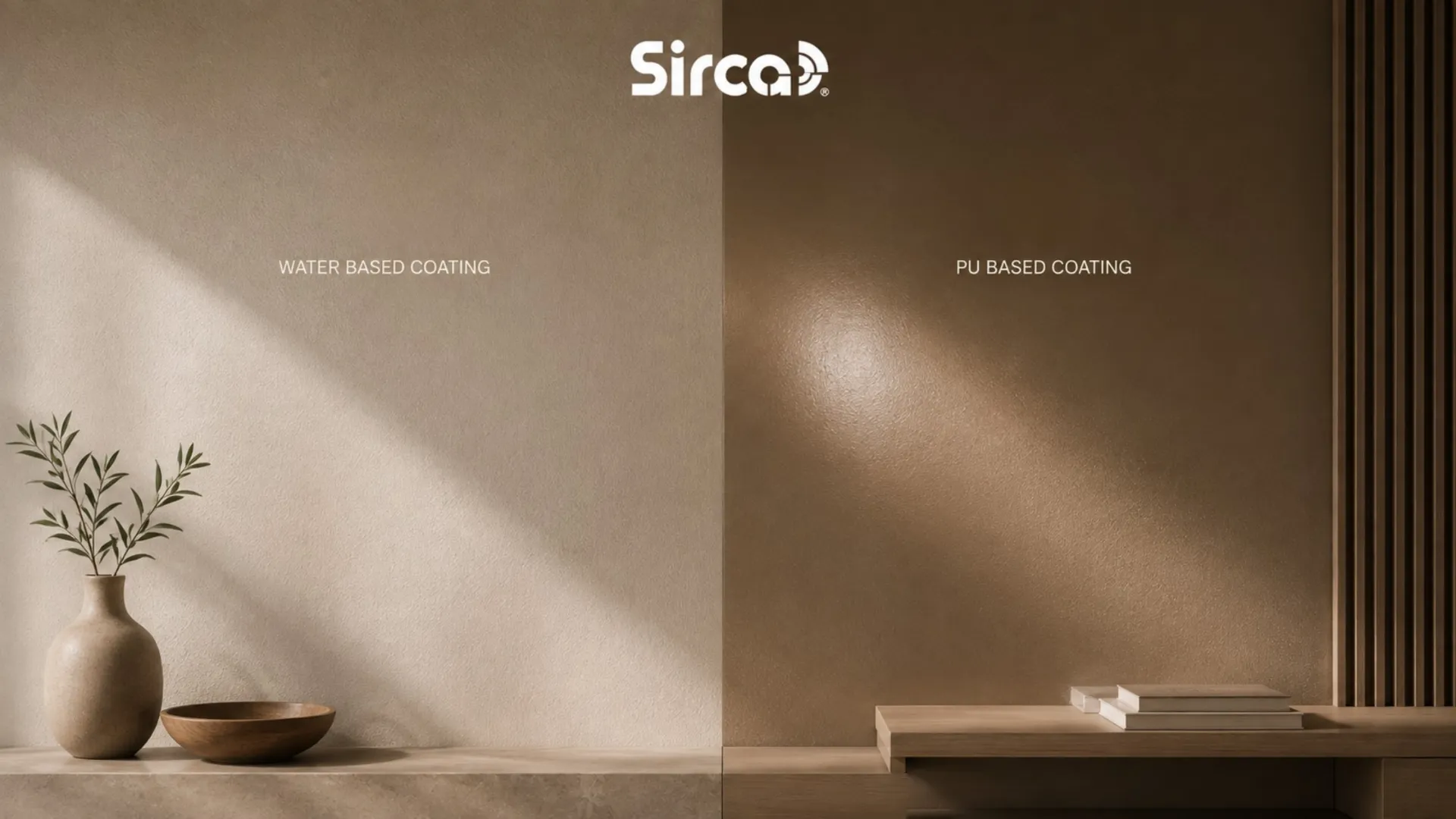
When choosing a wood coating for furniture, appearance is only one part of the decision. The right coating also influences durability, maintenance, application, environmental considerations and how the furniture performs over time. Two technologies that are frequently considered for modern furniture are PU wood coatings and water-based wood coatings. While both can deliver high-quality finishes, their characteristics and ideal applications can differ.
So, which is better: PU or water-based wood coating? The answer depends on the furniture, the desired appearance, the level of usage, the application environment, and the performance expected from the finished surface. Understanding these differences helps architects, interior designers, furniture manufacturers and homeowners make more informed finishing decisions.
PU coatings, or polyurethane coatings, have long been used for demanding furniture and interior applications because of their combination of durability, surface protection and finish quality. A well-formulated PU system can provide a strong protective layer that helps wooden surfaces withstand everyday wear, making it suitable for furniture that experiences frequent handling and use.
Dining tables, wardrobes, cabinets, doors, office furniture and other high-use wooden surfaces can benefit from a professionally specified PU wood coating system. Depending on the formulation and system selected, PU coatings can be available in different sheen levels, allowing designers to achieve everything from understated matte surfaces to sophisticated satin and high-gloss finishes.
One of the key advantages of PU is its ability to deliver a refined, consistent appearance while providing robust surface protection. For premium furniture, where both aesthetics and longevity matter, this balance can be particularly important. Sirca PU coatings are developed around this combination of visual quality and performance, giving professionals solutions for creating durable and sophisticated wooden surfaces.
Water-based wood coatings, meanwhile, have gained significant attention as the industry increasingly looks for coating technologies that support more responsible and comfortable working environments. As the name suggests, water is used as the primary carrier in the formulation, and these systems are increasingly being adopted across modern furniture and interior applications.
One of the major reasons for the growing interest in water-based wood finishes is their application profile. They are generally associated with lower solvent emissions and reduced odour compared with conventional solvent-based systems. This can make them an attractive choice for interior projects where environmental considerations, indoor conditions and occupant experience are important factors.
Water-based coatings can also preserve a clean, contemporary appearance while allowing designers to explore different levels of sheen and finish. For residential interiors, hospitality spaces, offices and other environments where sustainability considerations are becoming increasingly important, water-based wood coating systems can offer an effective alternative.
However, choosing between PU and water-based technology should not be reduced to a simple question of which coating is universally better. A coating’s performance depends on its formulation, the complete coating system, surface preparation, application process, substrate and environmental conditions. The quality of application is just as important as the technology itself.
For example, a premium dining table may require a coating system selected specifically for resistance to frequent handling, spills, stains and everyday abrasion. A decorative wooden panel in a low-contact area may have very different performance requirements. Similarly, a luxury wardrobe, hotel furniture piece, or office workstation may each demand a different combination of durability, appearance and maintenance characteristics.
This is why professionals often evaluate a complete wood coating system rather than selecting a topcoat in isolation. Primers, sealers, stains and topcoats need to work together to achieve the intended result. Compatibility between layers can influence adhesion, smoothness, colour development, durability and the overall appearance of the finished surface.
With Sirca wood coating systems, professionals can select solutions based on the specific requirements of the project rather than adopting a one-size-fits-all approach. Sirca’s expertise in Italian wood coating technology allows the brand to offer coating solutions designed around both aesthetics and technical performance, helping furniture manufacturers and design professionals achieve consistent results.
Another important consideration is the desired visual character. PU systems are often selected when the project requires a highly controlled, durable finish with a specific sheen or depth. Water-based systems can be particularly appealing when the design calls for a contemporary finish alongside greater emphasis on environmental considerations.
Colour and grain also play an important role. A coating should enhance the natural character of wood rather than overpower it. Wood stains and clear finishes can be used to influence colour, depth and grain appearance, while the final topcoat determines much of the surface’s visual character and protection. The right combination allows designers to maintain the intended character of the material while improving its performance.
For furniture manufacturers, application efficiency is another consideration. Consistent drying, sanding, adhesion, coverage and finish development can have a direct impact on production quality and rework. Professional coating systems are therefore evaluated not only for the final appearance but also for their behaviour throughout the finishing process.
In today’s interiors, sustainability is becoming an increasingly important part of material selection. Architects, designers, manufacturers and clients are paying greater attention to low-emission coating technologies, responsible material choices and the long-term impact of interior products. Water-based technology is an important part of this transition, while continued innovation in coating chemistry is helping the industry balance environmental considerations with demanding performance expectations.
At the same time, durability remains essential. A sustainable finish still needs to perform. Furniture is expected to withstand everyday use while maintaining its appearance and a coating that fails prematurely can result in repairs, refinishing, material consumption and additional maintenance. The most appropriate solution is therefore the one that balances performance, aesthetics, application requirements and sustainability for the intended use.
So, PU vs water-based wood coatings: which is right for your furniture? If the priority is demanding durability, strong surface protection and a highly refined finish for high-use furniture, a professionally specified PU system may be the appropriate choice. If the project places greater emphasis on water-based technology, lower solvent emissions and contemporary interior applications, a water-based system can be a compelling option.
The decision ultimately comes down to understanding the project rather than choosing a coating based on a single feature. Furniture type, usage, substrate, desired sheen, colour, application process, maintenance expectations and environmental priorities should all be considered before selecting a coating.
At Sirca, the focus is on giving professionals the technology and choice needed to make that decision confidently. With a comprehensive portfolio of PU coatings, water-based wood coatings, sealers, stains, primers and topcoats, Sirca helps architects, interior designers, furniture manufacturers and woodworking professionals create surfaces that combine sophisticated aesthetics with reliable performance.
The best wood coating is not simply the one that looks good on day one. It is the one that supports the design intent, protects the material, performs according to the demands of the space and continues to deliver value over time. Whether the project calls for the proven performance of PU or the evolving possibilities of water-based technology, choosing the right coating system is the first step towards furniture that is designed to last.