Walls have traditionally been treated as the backdrop of an interior. Today, they are increasingly becoming an important part of the design itself. Architects and interior designers are moving beyond conventional paint colours to explore decorative wall finishes that introduce texture, depth, movemen, and character into a space. This shift has created a growing demand for premium wall finishes that combine design flexibility with professional-grade performance.
Among the most distinctive approaches to contemporary wall design are Italian decorative finishes. Italy has a long-standing connection with craftsmanship, architecture and surface design, and its influence can be seen in the growing popularity of decorative finishes across luxury residential, hospitality, retail and commercial interiors. OIKOS by Sirca brings this Italian approach to decorative surfaces, offering designers an opportunity to transform ordinary walls into expressive architectural elements.
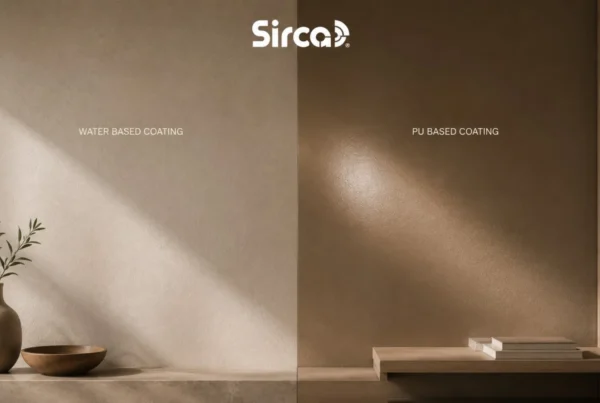
Unlike conventional wall paint, which primarily introduces colour, a decorative wall finish can change the way a surface interacts with light and the surrounding environment. Texture, tonal variation, material effect and sheen can create a sense of depth that a flat painted surface cannot always achieve. This makes decorative finishes particularly valuable when the objective is to create a feature wall, establish a specific atmosphere, or give an interior a distinctive visual identity.
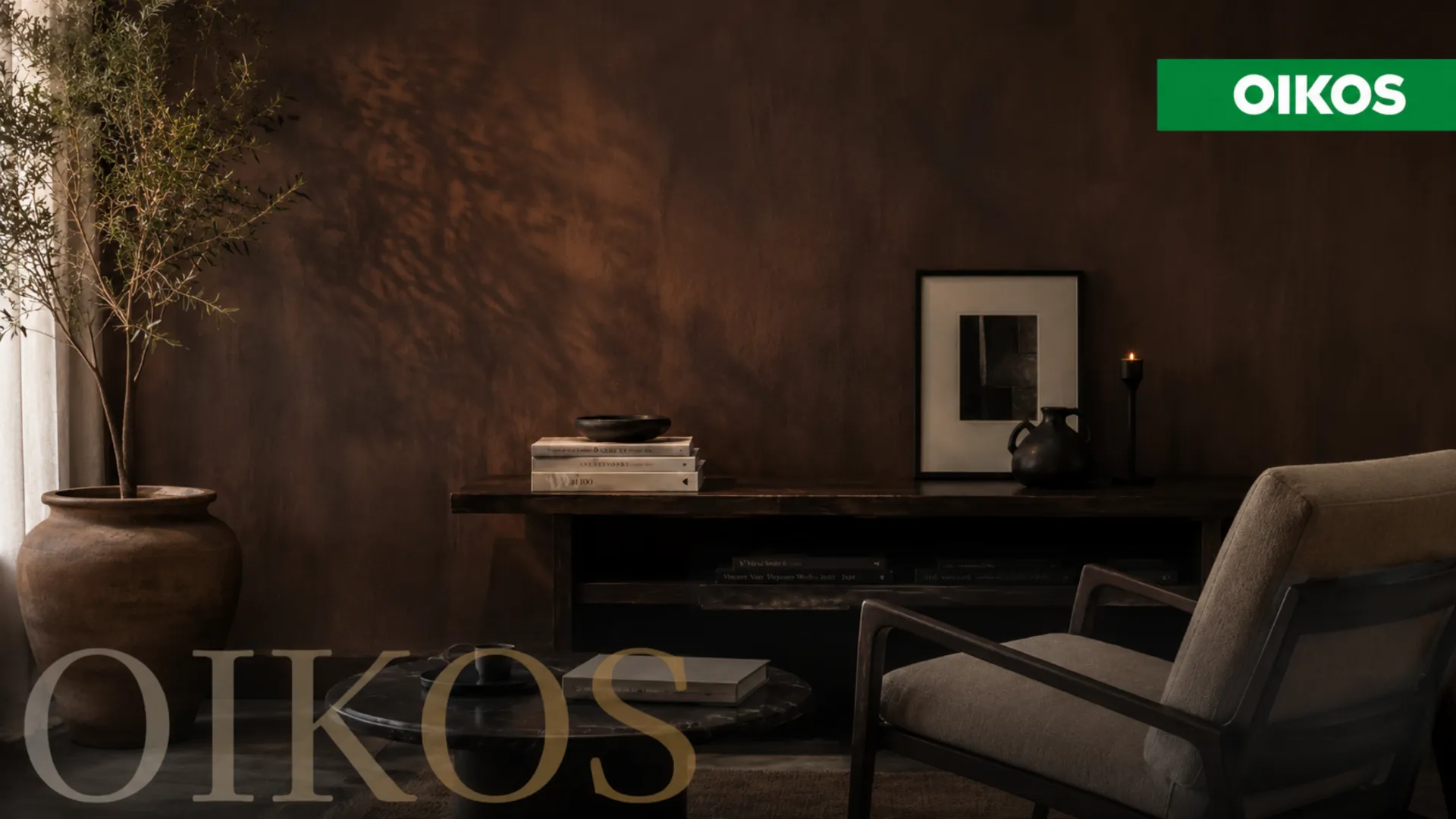
The appeal of OIKOS decorative finishes lies in this ability to combine colour with surface character. Depending on the selected finish and application technique, walls can take on the appearance of stone, plaster, mineral surfaces, metallic textures, or handcrafted architectural finishes. The result is not simply a coloured wall but a surface with its own visual language.
For architects and designers, this opens up a much broader palette of possibilities. A minimalist residence may benefit from a subtle textured finish that adds warmth without overwhelming the architecture. A luxury hotel lobby may require a more dramatic surface with depth and movement. A restaurant or retail environment may use a distinctive decorative effect to reinforce its brand identity. In each case, the wall becomes an active component of the overall design.
One of the key advantages of decorative wall coatings is their ability to create visual depth. Even within a restrained colour palette, variations in texture and application can produce subtle changes as light moves across the surface. Natural and artificial lighting can reveal different aspects of the finish throughout the day, giving the interior a dynamic quality.
This interaction between light and surface is particularly important in contemporary interior design. Designers increasingly look at materials not only in terms of colour but also in terms of how they respond to their surroundings. A carefully selected textured wall finish can soften a space, add visual rhythm, or create a focal point without introducing additional architectural elements.
OIKOS approaches decorative surfaces from this perspective, combining Italian surface design with specialized decorative coating technologies. Its range allows professionals to explore different textures, finishes and visual effects while maintaining the refined aesthetic associated with Italian interiors.
Another important distinction is the role of craftsmanship. Decorative finishes often depend on application technique as much as the material itself. The movement of a trowel, the pressure of an applicator, the direction of application and the layering process can influence the final appearance. This creates an opportunity for skilled applicators to produce surfaces that feel individual rather than mass-produced.
This craftsmanship is especially relevant to luxury interiors, where clients increasingly seek spaces that feel distinctive and considered. Luxury wall finishes can provide a sense of individuality while complementing other premium materials such as natural stone, timber, glass, metal and fabrics.
The versatility of decorative finishes also allows designers to create continuity across different spaces. A subtle finish can be used throughout a residence to establish a cohesive visual language, while more expressive finishes can define specific areas such as living rooms, dining spaces, reception areas, corridors, bedrooms, or feature walls.
Colour remains an important part of this process, but the same colour can create very different impressions depending on the surface finish. A soft neutral with a mineral texture may feel warm and organic, while the same tonal family with a polished or metallic effect can create a more contemporary and luxurious atmosphere. This makes decorative paint for interiors a valuable design tool rather than simply a functional finishing material.
For commercial and hospitality projects, this flexibility can be particularly useful. Hotels, restaurants, retail environments and corporate spaces often need interiors that are visually memorable while remaining aligned with a broader brand or architectural concept. Decorative wall finishes can help establish that identity through texture and material expression rather than relying solely on furniture and accessories.
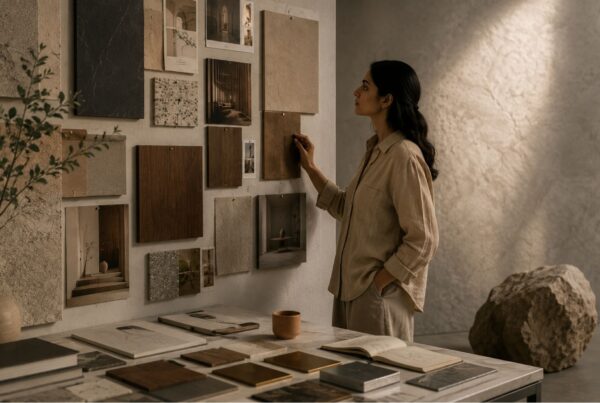
The growing interest in handcrafted and material-driven interiors is also changing how designers think about walls. Consumers are increasingly drawn to surfaces that feel tactile, authentic and thoughtfully designed. This has contributed to the popularity of finishes inspired by traditional plasterwork, mineral surfaces, stone, concrete and other natural materials, interpreted through modern decorative coating technology.
OIKOS by Sirca fits naturally into this evolution by giving professionals access to an extensive world of decorative possibilities. Rather than limiting designers to standard paint colours and flat surfaces, OIKOS wall finishes allow them to experiment with texture, depth, movement and visual effects to create more expressive environments.
Another advantage of working with a specialized decorative finish system is the ability to specify a surface according to the requirements of the project. Residential interiors, hospitality spaces, retail environments and commercial projects may each demand different visual and functional characteristics. Selecting the right product and application technique can help ensure that the finished surface supports both the aesthetic vision and practical needs of the space.
For architects and interior designers, the specification process therefore begins with a simple question: what should the wall contribute to the space? Should it remain subtle and support the furniture? Should it become a focal point? Should it introduce warmth and texture? Or should it create a dramatic statement through light and surface movement?
The answer can determine whether a conventional paint or a premium decorative wall finish is the better choice.
The rise of decorative finishes also reflects a larger movement within interior design—one that values materiality and sensory experience. People do not experience a space through colour alone. Texture, reflection, depth, light and even the perceived tactility of a surface contribute to how an environment feels. Decorative finishes allow designers to work with these elements in a more intentional way.
Ultimately, a wall does not have to disappear into the background. With the right surface treatment, it can become part of the architecture, reinforce the design concept and give a space a distinct identity.
Through OIKOS by Sirca, Italian decorative surface expertise becomes a creative tool for modern interiors. By combining Italian decorative finishes, advanced surface technology, and a wide range of visual effects, OIKOS gives architects, interior designers and applicators the freedom to move beyond ordinary walls and create surfaces that are expressive, sophisticated and designed to leave a lasting impression.