A feature wall can change the character of an interior without requiring major structural changes. The right colour, texture and surface finish can turn an ordinary wall into a visual focal point, creating depth and adding a distinctive layer to the overall space. Among the many options available today, metallic decorative finishes offer a particularly expressive way to transform walls by combining colour, texture and the reflective qualities of light.
Unlike conventional metallic paint, a professional metallic wall finish can create greater variation across a surface. Depending on the product and application technique, light can interact with the finish differently from one area to another, creating subtle movement, depth and visual interest. This makes metallic finishes especially effective for feature walls in luxury residences, hotels, restaurants, retail spaces, offices and other premium interiors.
OIKOS by Sirca brings Italian decorative surface technology to this category, giving architects, interior designers and professional applicators greater creative flexibility when specifying feature walls. OIKOS decorative finishes are developed to transform surfaces through texture, colour and material effects, allowing a wall to become an integral part of the interior rather than simply a background.
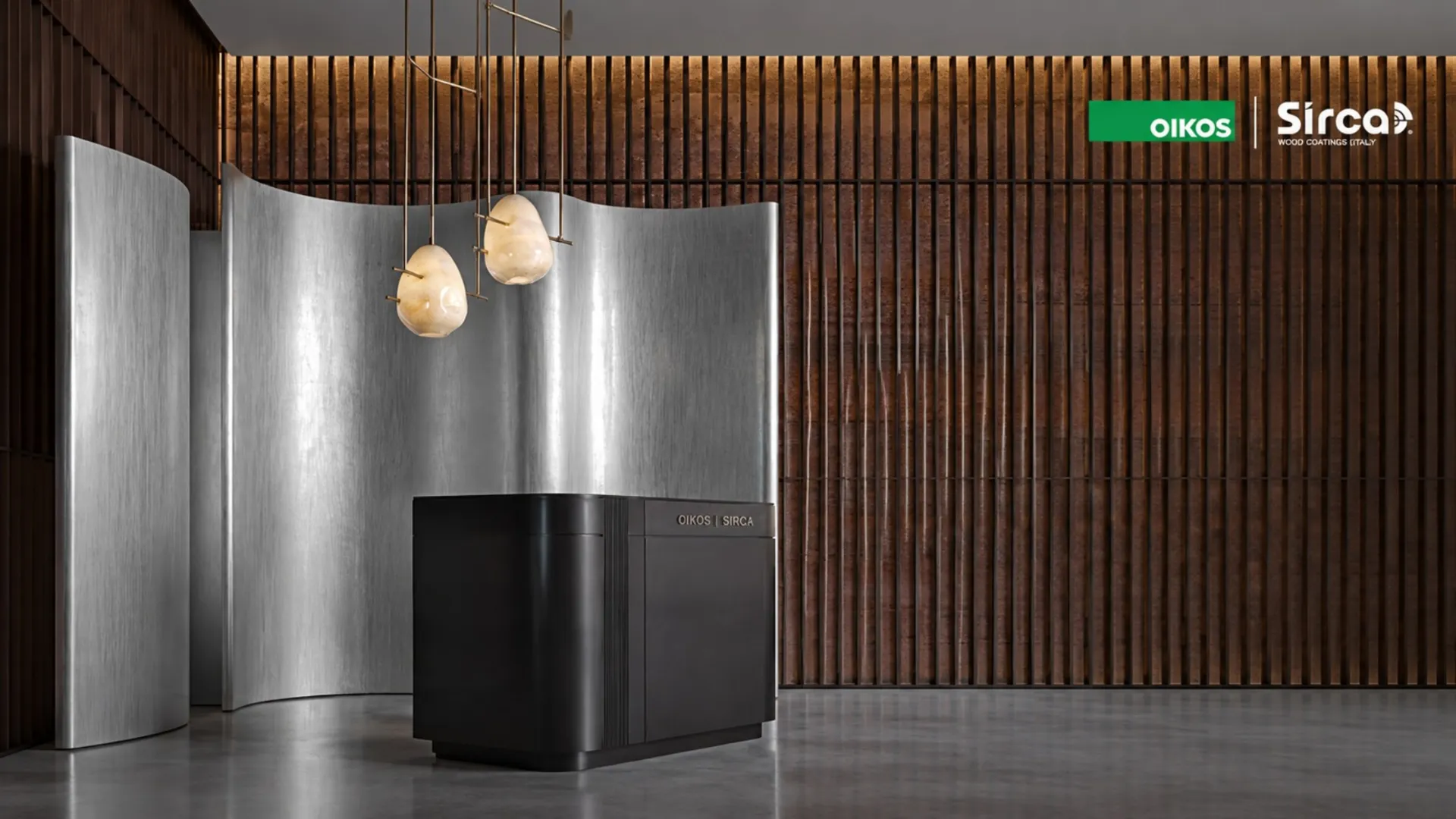
One of the defining characteristics of a metallic finish for walls is its relationship with light. A flat painted surface generally maintains a relatively consistent appearance, while a metallic decorative surface can reflect and diffuse light across different areas. Natural daylight can reveal subtle variations during the day, while architectural lighting can emphasize texture and create a more dramatic effect in the evening.
This makes lighting an important consideration when planning a metallic feature wall. The position and intensity of light, the direction of illumination and the surrounding materials can all influence how the finish is perceived. A carefully selected OIKOS metallic finish can therefore become part of the lighting strategy of an interior, rather than being considered separately from it.
The choice of metallic tone also influences the overall atmosphere. Warm metallic shades can complement timber, neutral fabrics and natural stone, creating a rich and inviting visual palette. Cooler metallic tones can work effectively with contemporary materials such as glass, concrete, and dark surfaces. More subtle metallic effects can add depth without dominating the room, while stronger finishes can create a dramatic focal point.
Texture adds another dimension. A metallic surface does not have to be completely smooth. Decorative wall textures can introduce movement and variation, allowing the metallic effect to appear differently depending on the viewing angle and lighting conditions. This combination of texture and reflection can give feature walls a more material-driven appearance than conventional paint.
For architects and designers, this versatility makes metallic finishes suitable for a wide range of applications. In a residential setting, a metallic feature wall can define a living room, dining area, bedroom or entrance. In hospitality projects, it can create a distinctive reception backdrop, restaurant wall, corridor or lounge environment. Retail and commercial spaces can use metallic surfaces to reinforce a premium brand identity or create a memorable customer experience.
The application process also contributes to the final appearance. Decorative finishes are often influenced by the technique used to apply them, which means the same product can produce different visual effects depending on the applicator’s method. Proper surface preparation, product handling, application technique and finishing are therefore essential to achieving the intended result.
This is where a professional decorative coating system can make a difference. The substrate should be properly prepared before the decorative finish is applied, ensuring that the surface is suitable for the desired effect. Consistency in preparation and application helps the final wall achieve a more controlled appearance.
Another advantage of metallic decorative finishes is their ability to work alongside other materials. A feature wall finished with a metallic effect can be paired with wood finishes, stone, glass, fabrics and metal elements to create contrast and balance. For example, a warm metallic wall can complement rich wooden furniture, while a cooler metallic effect can enhance a contemporary interior with darker finishes and clean architectural lines.
The objective is not necessarily to make the entire space metallic. In many interiors, the strongest result comes from using the finish selectively. A single feature wall, architectural niche, reception backdrop or statement surface can introduce enough visual interest to define the space without overwhelming the rest of the interior.
This makes metallic wall finishes particularly relevant to contemporary luxury interiors, where designers are increasingly exploring materials that provide more than colour. Texture, reflectivity, depth and surface character can all contribute to the perception of quality and create a more layered interior experience.
OIKOS by Sirca offers designers an opportunity to explore this approach through Italian decorative finishes that combine colour and surface effects. Instead of treating a wall as a flat canvas, OIKOS allows professionals to approach it as a material surface capable of interacting with light and the surrounding architecture.
Ultimately, a successful metallic feature wall depends on more than selecting a metallic colour. The finish, texture, lighting, substrate, surrounding materials and application technique all contribute to the final result. When these elements are considered together, a wall can become a strong architectural feature that supports the overall concept of the interior.
With OIKOS by Sirca, architects, interior designers and applicators can explore the possibilities of metallic decorative finishes to create feature walls with greater depth, texture and visual expression. By bringing together Italian surface technology and decorative expertise, OIKOS transforms walls from passive backgrounds into surfaces that actively contribute to the identity of a space.